 Esperanto
 Shqiptare
 Euskara
 Zulu
Zulu
 Latinus
 Cymraeg
 தமிழ்
தமிழ்
 Slovak
 Slovak
 Afrikaans

News Center
Electronic Balance
Publish:
2022-07-19 19:36
Source:
www.premier-cable.net
Electronic Balance
An electronic scale is a type of weighing instrument.
Weighing instrument is a tool that uses Hooke's law or the lever balance principle of force to measure the mass of an object. According to the structural principle, it can be divided into three categories: mechanical scale, electronic scale, and electromechanical combined scale.
Electronic scales are mainly composed of three parts: load-bearing system (such as weighing pan, scale body), force transmission system (such as lever force transmission system, sensor) and indication system (such as dial, electronic display instrument).
Working Principle
When the object is placed on the weighing pan, pressure is applied to the sensor, which elastically deforms, so that the impedance changes, and at the same time, the excitation voltage changes, and a changing analog signal is output.
The signal is amplified by the amplifier circuit and output to the analog-to-digital converter. Convert it into a digital signal for easy processing and output it to the CPU for operation control.
The CPU outputs such results to the display according to keyboard commands and programs until such results are displayed.
Classification
1. According to the principle: electronic scale, mechanical scale, electromechanical combined scale
2. According to the function: counting scale, pricing scale, weighing scale, bluetooth scale
3. According to the purpose: industrial scales, commercial scales, special scales
4. Classification by placement location:
Desktop scales refer to electronic scales weighing less than 30kg
Platform scale refers to an electronic scale with a full weighing range of 30-300kg
Floor scale refers to an electronic scale with a full weight of more than 300kg
Precision balance
5. Classification by accuracy:
Class I: special balance precision ≥ 1/100,000 reference weighing instrument
Class II: high-precision balance 1/10,000≤precision<1/100,000 precision weighing instrument
Class III: Medium-precision balance 1/1000≤precision<1/10000 Industrial.Commercial weighing instrument
Class IV: Ordinary scales 1/100≤precision<1/1000 coarse scales
6. Classification by data transmission method:
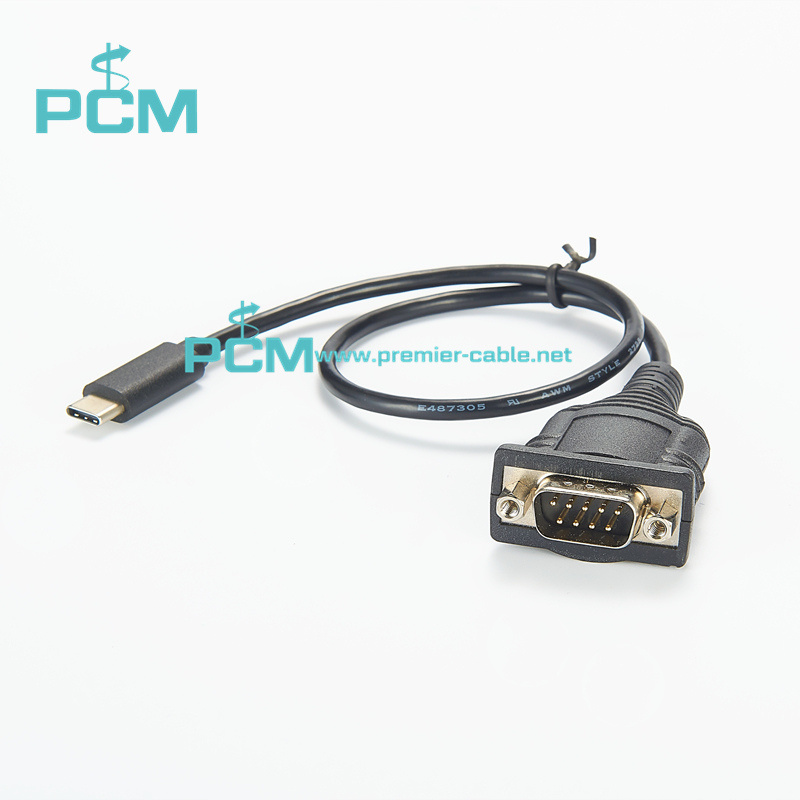
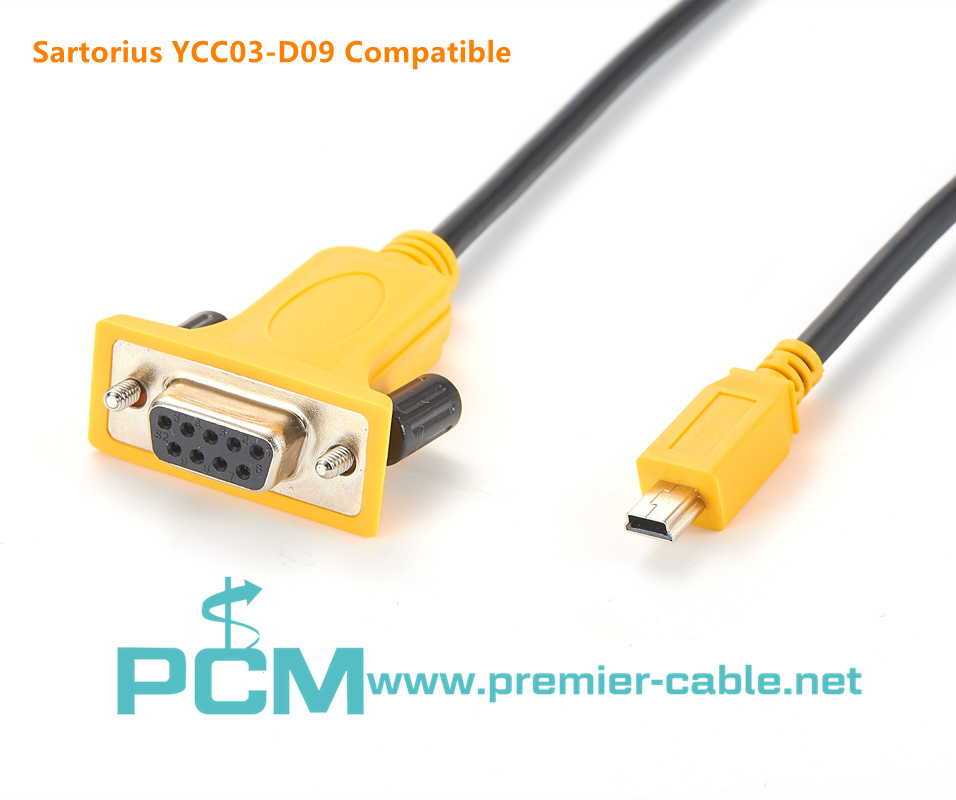
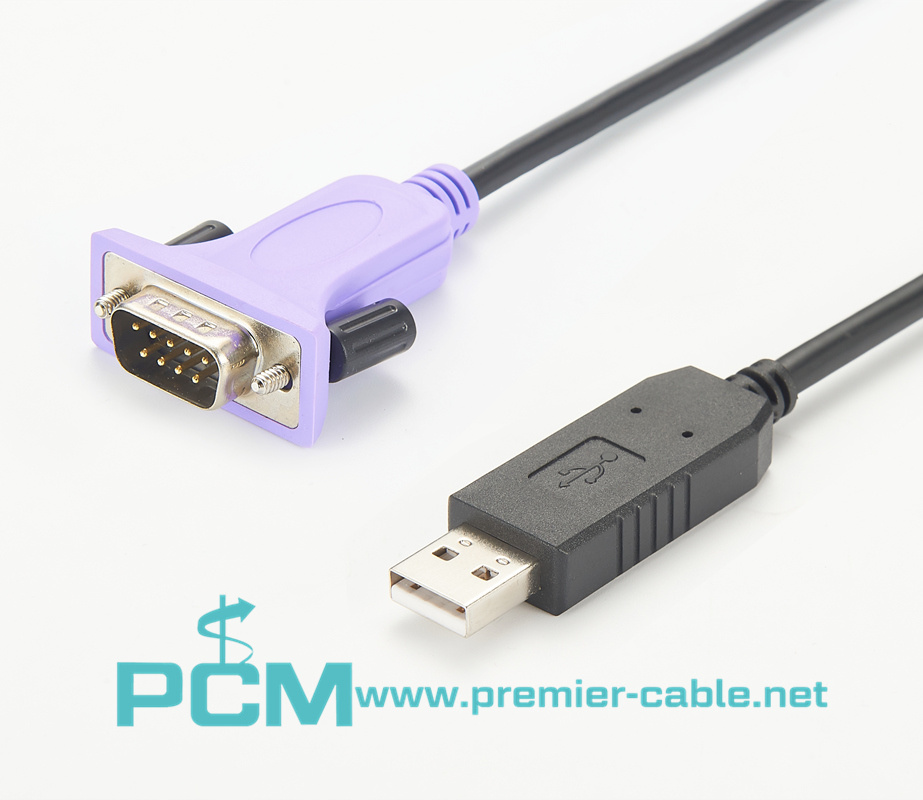
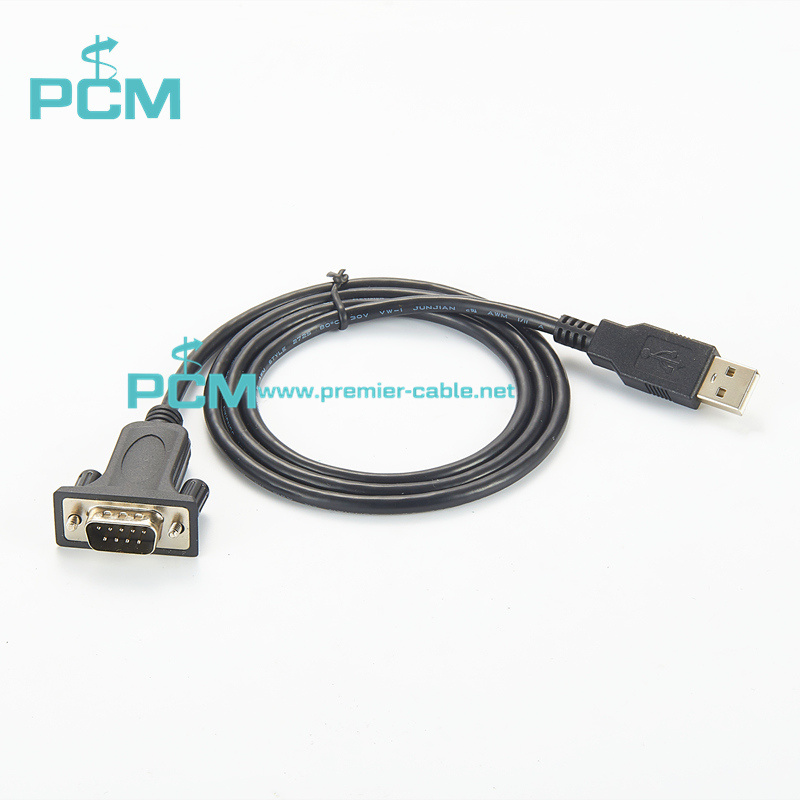
Divided into RS-232/ RS-485 Radio frequency (RF2.4G) Analog signal (Analog) Bluetooth (Bluetooth) USB interface Ethernet
Premier Cable , www.premier-cable.net, is a cable factory to make balances & scale cables
Our cable including
Laboratory Scale Cable
Scale Indicator Cable
Analytical Balances Cable
Laboratory Balance Cable
Weighing Equipment Cable
Electronic Calipers Scales Cable
Precision Balances and Scales Cable
Precision Measuring Instruments Cable
We can accept OEM order, hope we have chance to work with you
Tel : 0086-0139-2949-7934
Skype : james198585
Email : James@premier-cable.net
Email : sales@premier-cable-mfg.com




Prev
Related News
What is a terminal block used for?
While there are many factors to consider when designing an overall system, terminal blocks are an optimal solution for complex electrical system connections. With a variety of color options and configurations, Premier Cable’ terminal blocks offer a range of options to meet your design challenges.
CAN-bus has been widely used in various automation control systems. For example, CAN-bus has incomparable advantages in various fields such as automotive electronics, automatic control, smart buildings, power systems, and security monitoring.
Introduction to M12 connector pin coding
M12 encoding types are A encoding, B encoding, D encoding and X encoding. A-code, B-code and X-code are some of the earliest developed and longest-available M12 connectors. The latest M12 coding types currently under development are K coding for AC and L coding for PROFINET DC.
Cables – What are the correct cable sizes for an NMEA 2000 network?
The three different sizes of NMEA 2000 certified DeviceNet standard cabling are "micro," "mid," and "mini."
What are the advantages of NMEA 2000?
The Premier Cable Starter Kits provide everything you need to get to create a basic NMEA 2000 network from scratch.
The role of DeviceNet terminal resistor
DeviceNet_network is a fieldbus network protocol based on Controller Area Network (CAN). In the DeviceNet network, the terminal resistor plays the role of compensation and protection for signal transmission. The function of the terminal resistor is to eliminate signal reflection and interference and ensure the signal transmission quality.