 Esperanto
 Shqiptare
 Euskara
 Zulu
Zulu
 Latinus
 Cymraeg
 தமிழ்
தமிழ்
 Slovak
 Slovak
 Afrikaans

News Center
Tower Mounted Amplifier
Publish:
2022-07-14 11:09
Source:
www.premier-cable.net
Tower Mounted Amplifier
The tower top amplifier is a low noise amplifier installed at the top of the tower immediately after the receiving antenna. It can amplify the received signal by nearly 12dB before it enters the feeder, improving the uplink signal quality, improving call reliability and voice quality, and at the same time. Expand community coverage.
When the user is located outside the coverage area of the cell and may drop the call, it is very advantageous to use the tower top amplifier. The application is to combine tower top amplifiers and power amplifiers to form a coverage extension system.
Product Description
There are two types of tower top amplifiers, one is called TMA, which is a one-way amplifier, which only supports uplink, and the other is called TMB, which is a two-way amplifier and supports both uplink and downlink.
Whether it is TMA or TMB, its function is to improve the balance of uplink and downlink, and it is used in areas where the traffic volume is not large and the coverage needs to be expanded.
TMA only has an uplink low noise amplifier, which can effectively reduce the upper and lower bottom noise by about 12DB, and can effectively improve the coverage effect of the uplink. It is usually used in conjunction with base station amplifiers.
It is important to point out that the tower amplifier only amplifies the uplink signal. Only when the base station uplink/reverse is limited (the downlink level is better than the uplink), the addition of the tower amplifier can expand the cell coverage area.
The base amplifier (base station amplifier) traditionally amplifies the downlink signal. The base station's own baseband transmit power is more and more adjustable, and each operator has built a high-quality network. The density of base stations has increased, and the base amplifier has gradually withdrawn from the market. Mainly used in remote suburbs, and low traffic areas such as individual roads.
Premier Cable is a factory based in Dong Guan City to make antenna cables for Telecom industry and Base Station
We make a lot of different AISG Cables like below :
AISG Y Split Cable
AISG right angle Cable
AISG daisy chain Cable
ESC antenna AISG Cable
AISG DB9 Huawei ESC cable
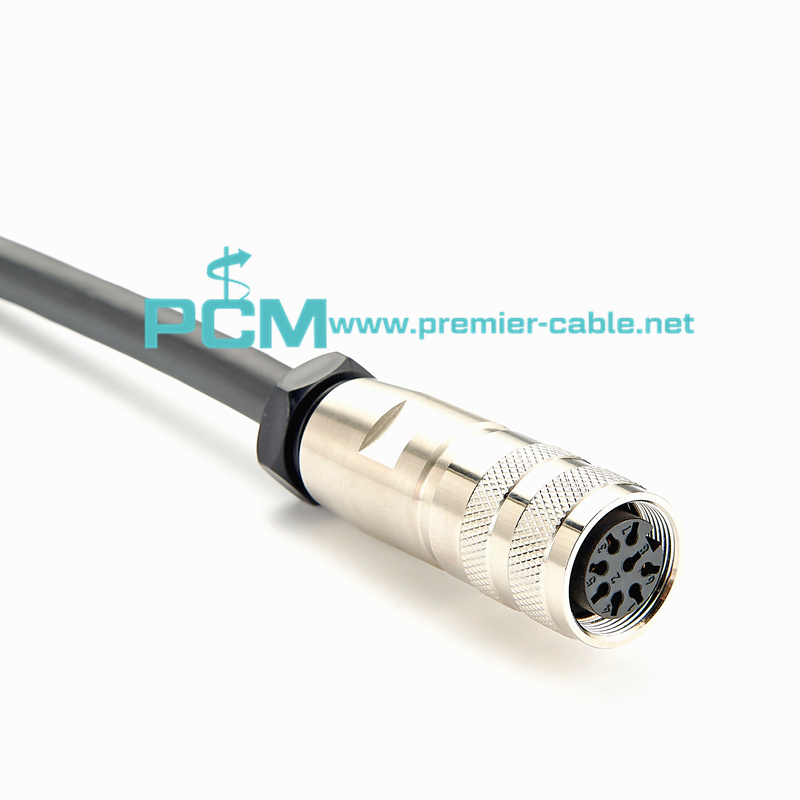
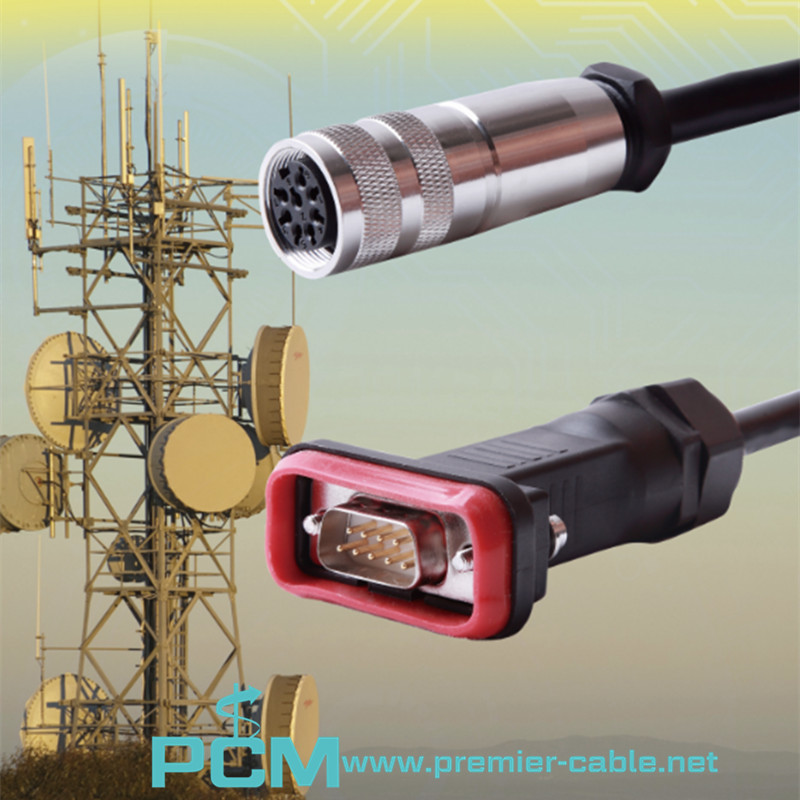
AISG Tower Mounted Amplifier cable
AISG 2.0 Base Station Connection Cable
All the AISG Cable we make are full IP67 rated and according to IEC 60130-9 standard
All the cables are fully compatible with below brand antennas :
ZTE AISG Cable , ZTE AISG Ret Control Cable
Lumberg AISG cable, Lumberg AISG connector
Comba RET Control Cable , Comba antenna AISG cable
Mobi antenna AISG cable , Mobi Antenna RET Control Cable
Kathrein RET Control Cable , Kathrein Antenna AISG cable
Kathrein Antenna AISG cable, Kathrein Antenna RET Control Cable
Ericsson Ret Cable , Ericsson AISG Cable , Ericsson Antenna RET Control Cable
Contact us for more : Tel : 0086-0139-2949-7934 / Skype : james198585 / Email : James@premier-cable.net / Email : sales@premier-cable-mfg.com / Website : www.premier-cable.net
Next
Related News
What is a terminal block used for?
While there are many factors to consider when designing an overall system, terminal blocks are an optimal solution for complex electrical system connections. With a variety of color options and configurations, Premier Cable’ terminal blocks offer a range of options to meet your design challenges.
CAN-bus has been widely used in various automation control systems. For example, CAN-bus has incomparable advantages in various fields such as automotive electronics, automatic control, smart buildings, power systems, and security monitoring.
Introduction to M12 connector pin coding
M12 encoding types are A encoding, B encoding, D encoding and X encoding. A-code, B-code and X-code are some of the earliest developed and longest-available M12 connectors. The latest M12 coding types currently under development are K coding for AC and L coding for PROFINET DC.
Cables – What are the correct cable sizes for an NMEA 2000 network?
The three different sizes of NMEA 2000 certified DeviceNet standard cabling are "micro," "mid," and "mini."
What are the advantages of NMEA 2000?
The Premier Cable Starter Kits provide everything you need to get to create a basic NMEA 2000 network from scratch.
The role of DeviceNet terminal resistor
DeviceNet_network is a fieldbus network protocol based on Controller Area Network (CAN). In the DeviceNet network, the terminal resistor plays the role of compensation and protection for signal transmission. The function of the terminal resistor is to eliminate signal reflection and interference and ensure the signal transmission quality.